

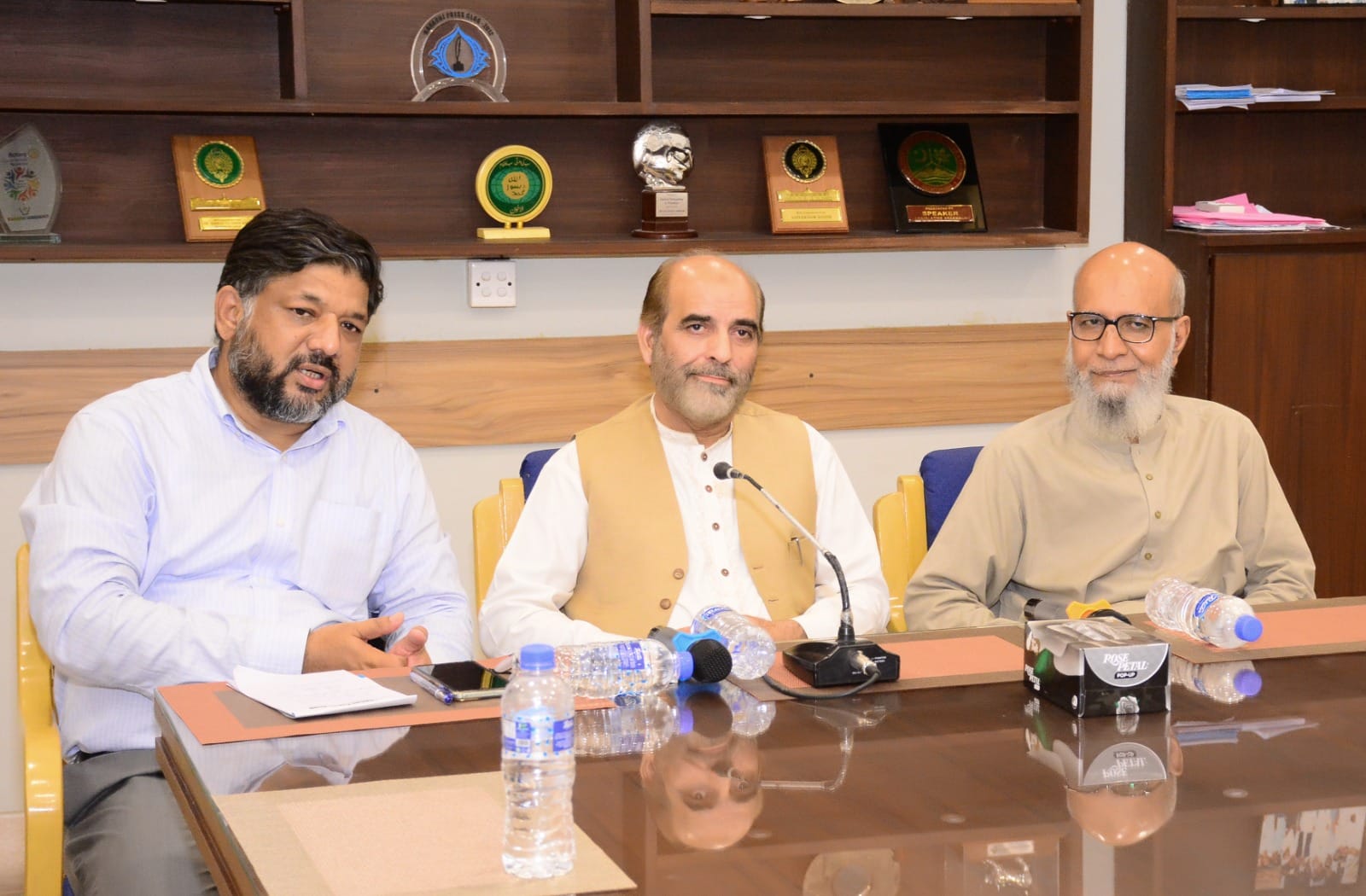
Raja Fazil Hussain Tabsum, a central leader of Jamaat-e-Islami Azad Kashmir, recently highlighted the critical role of the Karachi Press Club (KPC) as a voice against injustice in society and a true representation of a civilized community. He acknowledged that journalists have been severely affected by the financial crisis and praised the historical struggle of KPC for democracy.
In a discussion with journalists at the Karachi Press Club, Raja Tabsum emphasized the immense sacrifices made for the freedom of Occupied Jammu and Kashmir, noting that many leaders remain imprisoned. He stressed the importance of keeping the movement for freedom alive and reaffirmed the unwavering commitment of Kashmiris to stay with Pakistan, which was founded on the principles of the Kalima (Islamic declaration of faith).
Raja Tabsum shared updates on the environmental efforts in Azad Kashmir, where one million trees are being planted, and educational advancements, with their institutions securing the top 22 positions in recent examinations. He also announced the expansion of the Karachi Jamaat’s “Bano Qabil” IT program to Kashmir.
During the meeting, Shoaib Ahmed, Secretary of KPC, welcomed the guests and underscored KPC’s historical role in advocating for democracy and members’ rights. Raja Tabsum appreciated the warm reception and reiterated the commitment to education and environmental initiatives in Kashmir. He highlighted the resilience of the Kashmiri leadership and their continued struggle despite imprisonment.
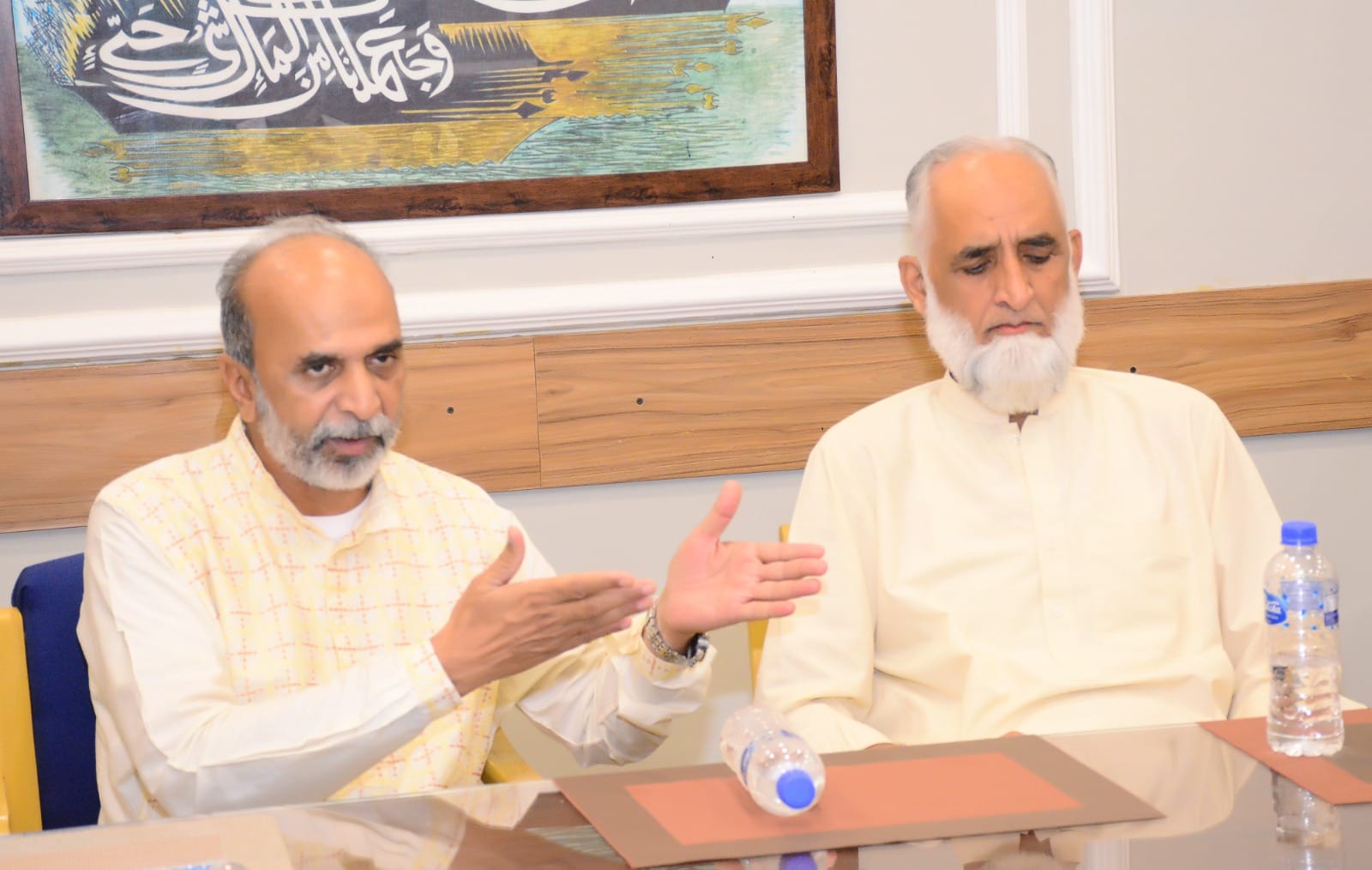
A.H. Khanzada, Secretary General of PFUJ, also addressed the gathering, expressing joy at the visit of Kashmiri political leaders. He emphasized the critical relationship between Pakistan and Kashmir, asserting that the future of this bond depends on the attitudes and actions of Pakistanis. He recalled the powerful slogan of Syed Ali Gilani, “We are Pakistanis, and Pakistan is ours,” and hoped that the visit of Kashmiri leaders would play a pivotal role in bridging gaps.
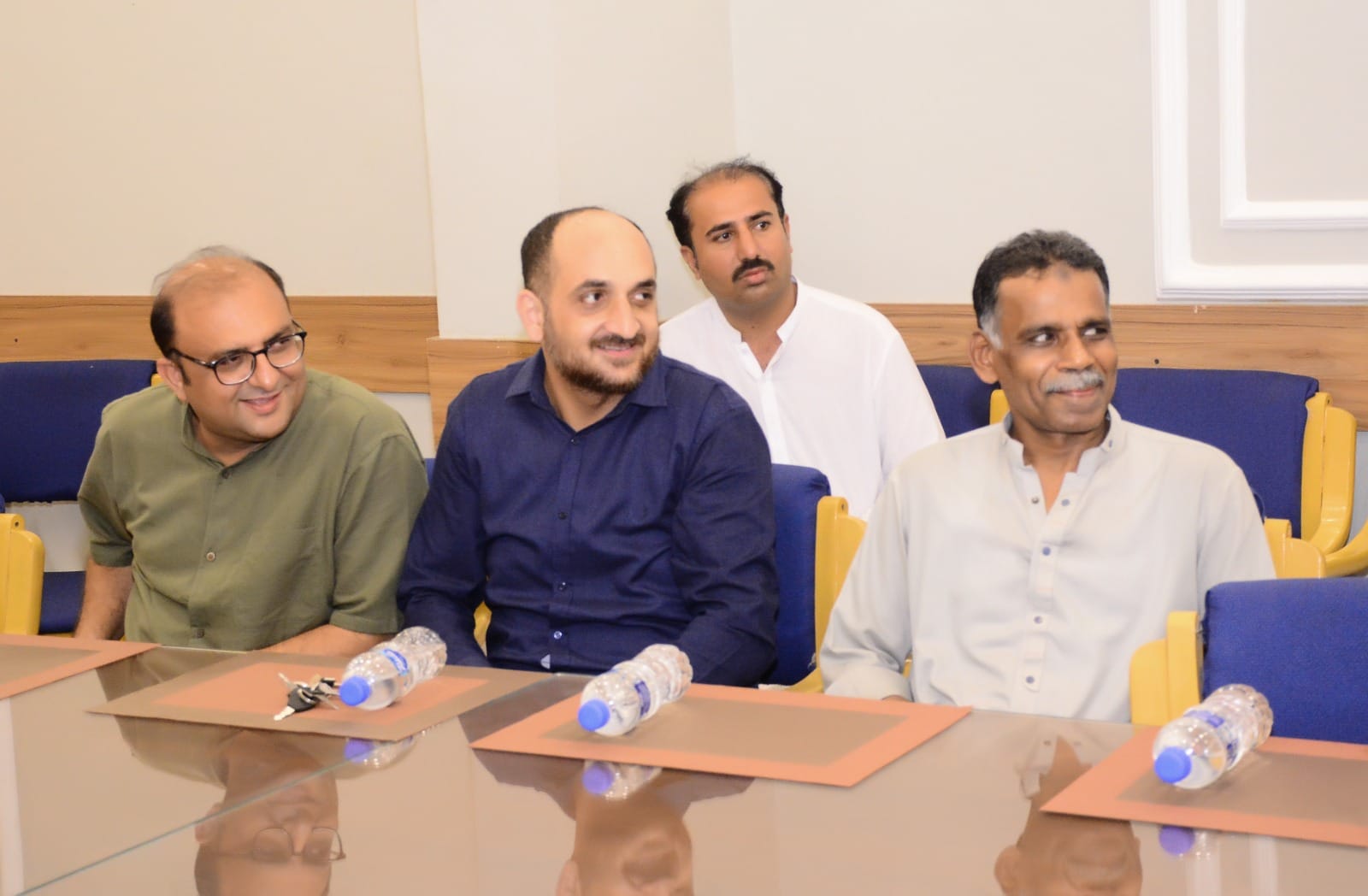
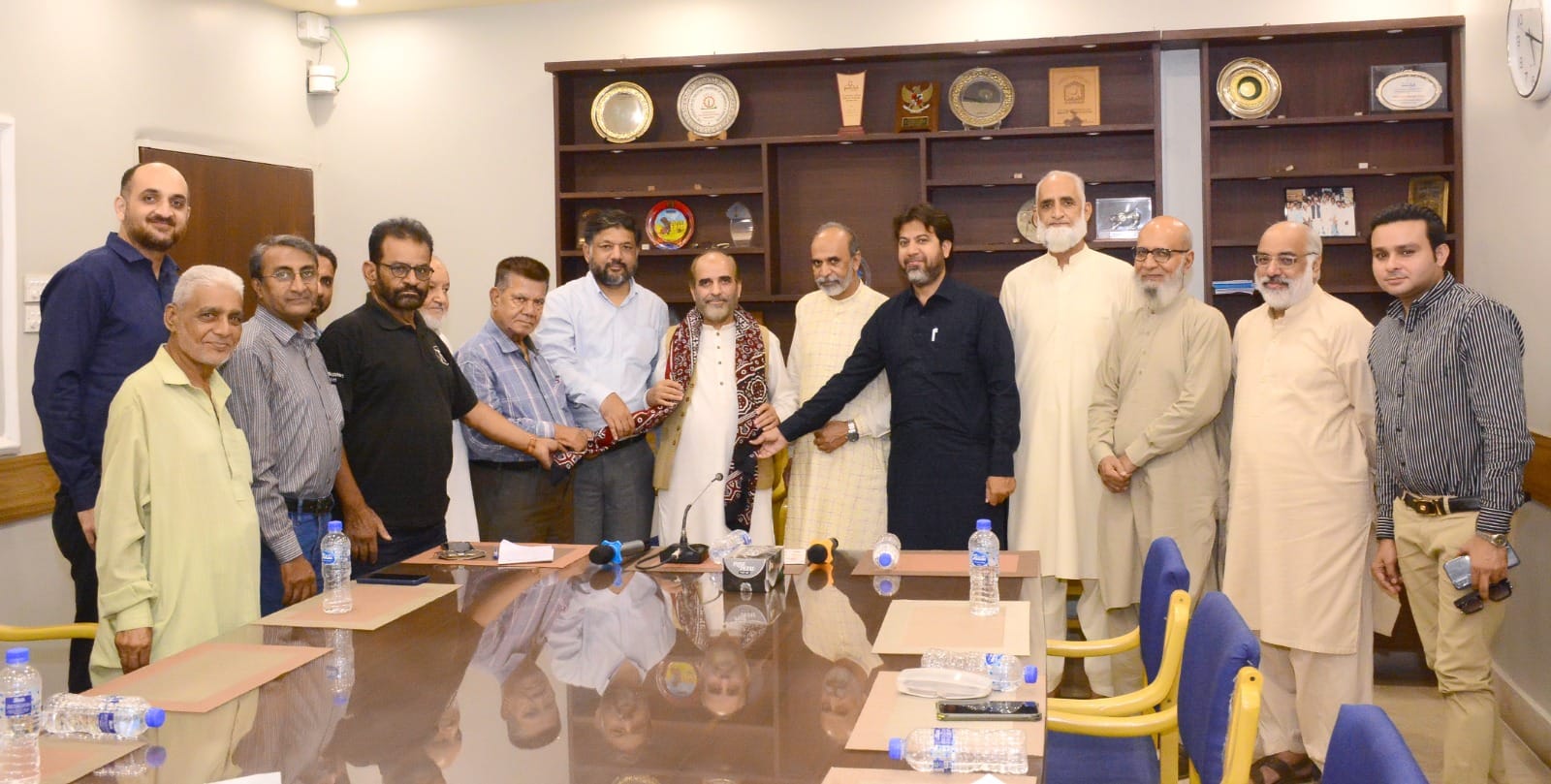
The meeting was attended by prominent journalists including Maqsood Yousufi, Nawab Qureshi, Arman Sabir, Nasrullah Chaudhry, Imtiaz Ali, Shams Kerio, and others. The exchange of views reinforced the solidarity between the journalists and the ongoing struggle for Kashmir’s freedom.
Recent Comments